ByJohn A
How a Failed Sump Pump Can Put Your Basement Storage at Risk
Most homeowners do not think much about their basements until something goes wrong, especially during heavy rain or sudden storms. It is often the place where we store items we do not use every day, assuming they will stay safe and dry. This is where an emergency plumber service becomes essential when a sump pump fails and water starts to rise unexpectedly. Many people are caught off guard because sump pump issues usually happen without warning, leaving little time to react. In moments like these, quick action can make the difference between a minor cleanup and major property damage.
What a Sump Pump Actually Does in Simple Terms
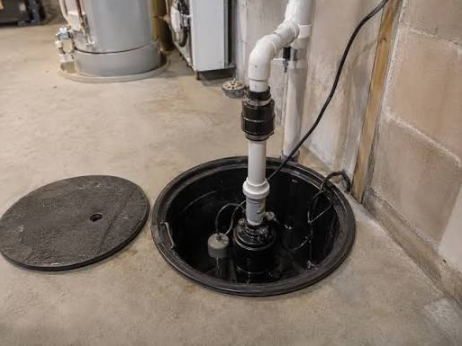
A sump pump is a small but important device that helps keep your basement dry by moving water away from your home’s foundation. It sits in a pit at the lowest point of the basement and automatically turns on when it detects rising water levels. Pumping excess water out and away from the house helps prevent flooding and long-term water damage.
What Happens When a Sump Pump Fails
When a sump pump fails, water can start building up in the basement much faster than most homeowners expect. This often leads to pooling, damp walls, and eventually flooding that can spread across the entire space. Because the failure usually happens during heavy rain or storms, the damage can escalate quickly before you even realize there is a problem.
How Basement Storage Becomes the First Casualty
Basement storage is often the first area to be affected, as the majority of items are stored on the floor where water tends to collect. Boxes, furniture, and treasured possessions may absorb moisture easily, resulting in damage that is, in many cases, permanent. Even a minimal flood can damage the things you have kept out of your mind for years, thinking they were safe.
Common Reasons Sump Pumps Fail
Sump pumps are reliable, but like any mechanical system, they can fail for a variety of reasons. Understanding these common issues can help you spot trouble early and prevent basement flooding.
Power Outages During Storms
Heavy storms often cause power outages, which means your sump pump cannot run when you need it most. Without a backup power source, water can quickly start filling the sump pit and overflow into the basement.
Lack of Regular Maintenance
Over time, dirt, debris, and sediment can build up in the pump or pit and reduce its efficiency. If it is not cleaned or inspected regularly, the system may struggle or fail completely when water levels rise.
Overwhelmed System During Heavy Rainfall
During heavy or prolonged rain, the volume of water entering the pit may exceed what the pump can handle. This can cause the pump to run constantly or burn out from overuse.
Mechanical Wear and Tear
Sump pumps do not last forever, and internal parts like the motor or float switch can wear out over time. When these components fail, the pump may stop working without much warning.
What to Do Immediately if Your Sump Pump Fails
If your sump pump stops working, acting quickly can help reduce water damage and protect your belongings. Staying calm and following a few important steps can make a big difference in how much damage occurs.
Turn Off Electricity Near the Basement
If water is starting to rise, your first priority should be safety, especially around electrical outlets and appliances. Turning off power to the basement helps reduce the risk of electrical shock while you assess the situation.
Remove Valuables from the Basement
Only if it is safe, relocate your valuable belongings such as boxes, electronic items, and sentimental possessions to an elevated place. A quick response of mere minutes can save your stored items from permanent water damage.
Check for a Backup Pump or Power Source
Some homes have a battery backup or secondary sump pump that can kick in during a failure. If you have one, make sure it is working properly so it can take over temporarily.
Call a Professional Plumber Right Away
Contacting an emergency plumber service quickly can help stop the problem from getting worse. A professional can diagnose the issue and provide immediate repairs or solutions to control the flooding.
How to Protect Your Basement Storage Before Failure Happens
Taking a few preventative steps now can save you from major stress and costly damage later. Protecting your basement storage is really about planning ahead and reducing risk before problems occur.
Keep Items Elevated Off the Floor
One of the simplest ways to protect your belongings is to store them on shelves, pallets, or storage racks. Even a small rise off the floor can keep items safe from minor flooding or moisture buildup.
Schedule Regular Sump Pump Maintenance
Having your sump pump checked and cleaned regularly helps ensure it is working properly when you need it most. A professional inspection can catch small issues before they turn into major failures.
Install A Backup Sump Pump System
A battery backup or secondary pump can keep your basement protected during power outages or heavy storms. This added layer of protection is especially useful during extreme weather when your main pump is under stress.
Store Valuable Items in Waterproof Containers
If you use sealed plastic bins instead of cardboard boxes, it can offer better protection for your important belongings against moisture. This way, you can be sure that documents, photos, and seasonal items will be safe even if you’re storing them for a long time.
Protecting Your Home Starts with Prevention
A failed sump pump can turn a quiet rainy day into a stressful situation, especially when your basement storage is at risk. The good news is that most problems can be reduced or avoided with a bit of preparation and regular maintenance. When things do go wrong, having access to a reliable emergency plumber service can help you respond quickly and limit the damage to your home and belongings.