ByJohn A
How Cinema Software Helps Independent Exhibitors Compete Without Losing Their Character
Independent cinemas hold a special place in their communities. They offer atmosphere, personality, and programming that the big chains rarely match, and their loyal audiences value exactly this distinctiveness. Yet these same cinemas often operate with fewer resources against far larger competitors. The right cinema software allows independents to close the operational gap while keeping the character that makes them worth visiting in the first place.
The central worry for many independent operators is that adopting technology will make them feel corporate, sanding away the individuality that sets them apart. This fear is understandable but misplaced. Software handles the operational machinery of running a cinema, the ticketing, scheduling, inventory, and reporting, none of which is where a cinema’s character actually lives. Character comes from programming, atmosphere, and the human touch, and good systems free operators to focus on precisely these things.
Consider the time that operational chaos consumes. When an owner spends hours wrestling with spreadsheets, reconciling figures, and manually compiling reports, that is time stolen from the creative and personal work that makes an independent cinema special. Software that automates the routine frees operators to curate their programme, engage with their community, and craft the experience their audience loves. Far from stripping away character, it protects the time needed to nurture it.
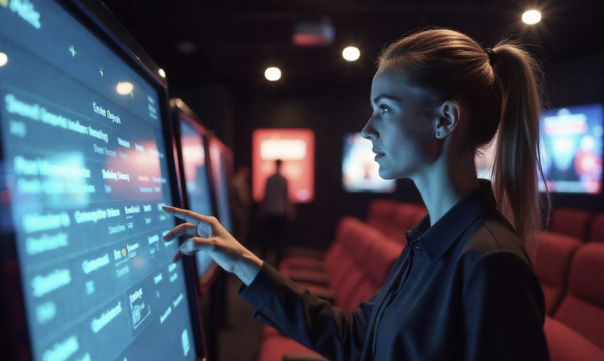
Competing with larger chains on convenience is essential, because audiences now expect it everywhere. Customers want to browse showtimes online, book in advance, and choose their seats with ease, regardless of whether the cinema is a giant multiplex or a beloved local venue. Software gives independents access to these same conveniences, ensuring they are not dismissed simply for feeling harder to deal with. Meeting these baseline expectations lets the cinema’s distinctive qualities shine rather than being overshadowed by friction.
See also: Artificial Intelligence in Pricing Strategies
Understanding the audience is where independents can actually outperform the chains. A local cinema often knows its community intimately, and software sharpens that knowledge with real data. Seeing which films resonate, which events draw crowds, and how loyal customers behave allows an independent to programme and promote with precision. This blend of genuine local insight and solid data is something large chains, for all their resources, often struggle to replicate at the community level.
Concession and cost management matter especially for operations running on tight margins. Independents cannot afford the waste that a large chain might absorb without noticing. Software that keeps inventory lean, matches staffing to demand, and reveals where money leaks away helps small operators make every dollar count. This financial discipline can be the difference between a cherished cinema surviving and one that quietly closes, and it need not compromise the experience
at all.
Marketing on a modest budget demands precision, and this is another area where software levels the field. Independents rarely have the promotional resources of a national chain, so every marketing dollar must work hard. Using customer data to target communication means reaching the people most likely to respond rather than paying to shout at everyone. A well-aimed message to a receptive audience often outperforms a far larger untargeted campaign, allowing independents to punch above their weight.
Reliability underpins the whole experience, and audiences notice when it falters. A technical failure or a chaotic busy night damages a small cinema’s reputation more than a large chain’s, because independents trade so heavily on goodwill. Software that supports consistent operations and helps prevent equipment problems protects that goodwill. When the fundamentals simply work, customers are free to enjoy the atmosphere and programming that drew them in.
Growth becomes possible without losing the soul of the business. Some independents aspire to add a screen or open a second site, and the operational complexity of doing so can be daunting. Software that scales with the business allows an independent to grow while maintaining the standards and character that define it. This means expansion does not have to mean becoming the very thing the cinema set out to be an alternative to.
It is worth remembering that the goal of technology here is support, not transformation of identity. The most successful independents use software as a quiet enabler in the background, handling the mechanics so the visible experience remains warmly, distinctively human. Customers never see the systems, only the smooth booking, the well-run visit, and the thoughtful programming. That is exactly as it should be.
For independent exhibitors, the choice is not between staying true to their character and embracing modern tools. The two work together. By letting software carry the operational burden, independents can compete on convenience and efficiency while pouring their energy into the atmosphere, programming, and community connection that no chain can copy. In doing so, they secure their future without sacrificing the very things that make them worth saving.
The wider truth is that independence and modern operation are not opposites but allies. The cinemas that endure are those that pair a strong, distinctive identity with the operational competence to sustain it. Technology, used thoughtfully, is what allows a small operator to offer a big experience without a big budget. For the independents that embrace it on their own terms, the future looks a good deal more secure.